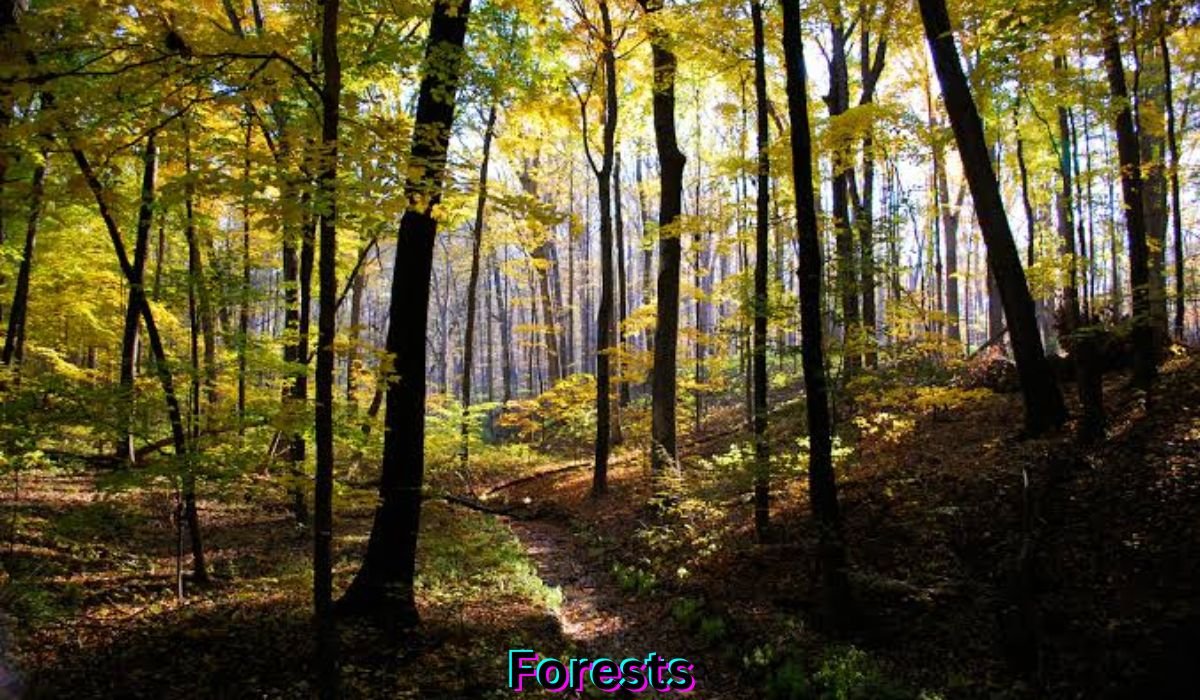
Forests cover nearly a third of our planet, quietly keeping the air breathable and the climate balanced. From dense tropical jungles to frost-covered boreal woodlands, each one tells a different story of survival.
In this guide, we’re taking a friendly walk through the world’s largest forests, sharing the names, locations, and surprising facts that make each one worth knowing about.
Great Bear Rainforest
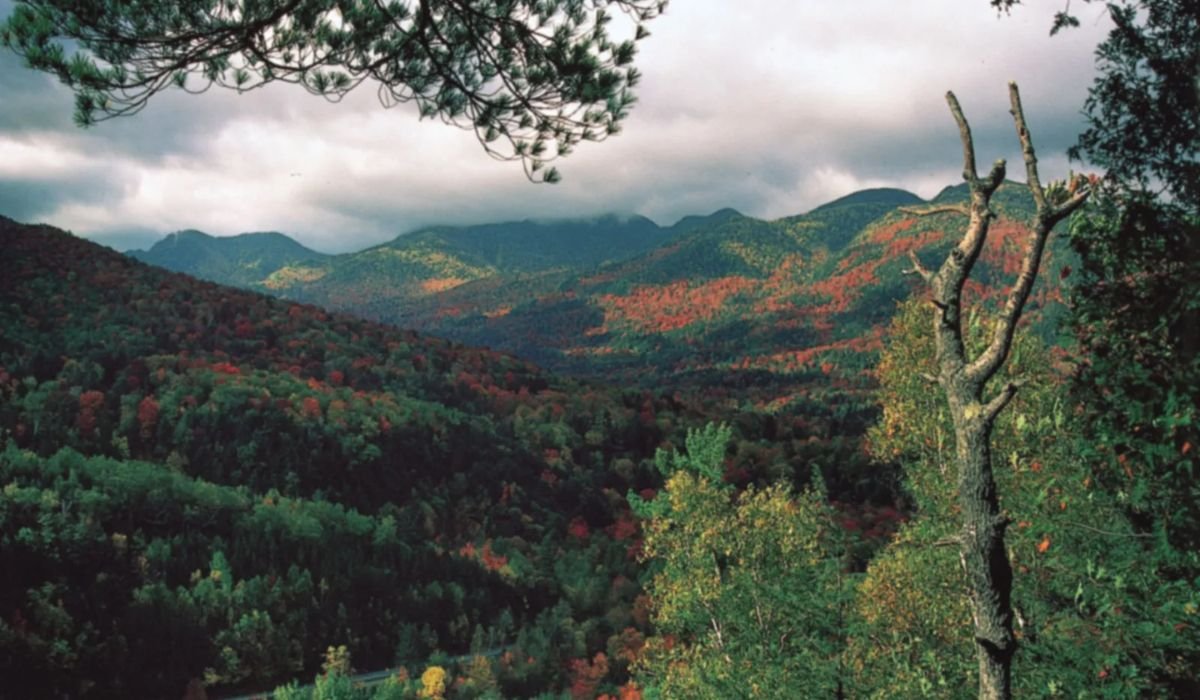
- Great Bear Rainforest – a massive coastal temperate rainforest stretching along British Columbia, Canada, famous for ancient cedars and rare white “spirit bears.”
The Great Bear Rainforest is one of the largest intact temperate rainforests left on Earth. Wolves, grizzlies, and salmon runs all depend on its untouched wilderness.
Locals and conservationists worked for decades to protect this region from logging. Today it stands as a global symbol of successful forest preservation and Indigenous stewardship.
Myanmar Coastal Rainforest
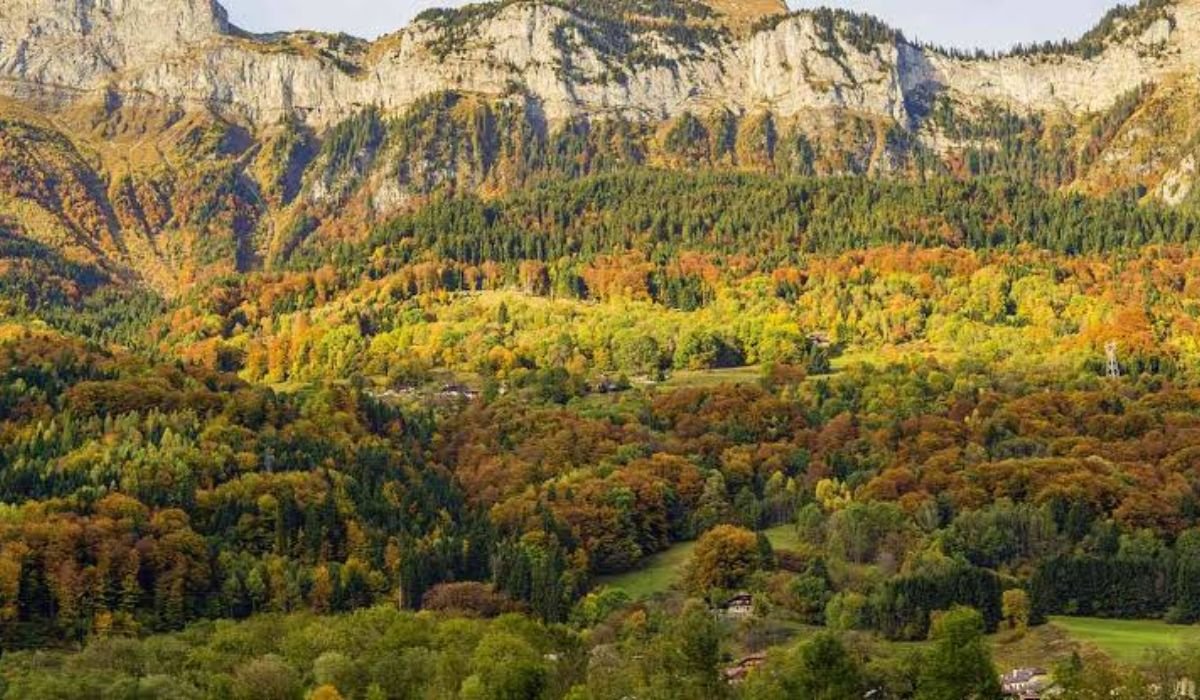
- Myanmar Coastal Rainforest – a lush stretch of tropical forest along Myanmar’s coastline, home to elephants, tigers, and mangrove ecosystems.
This forest remains one of Southeast Asia’s least disturbed coastal ecosystems. Its mangroves protect shorelines from storms while sheltering countless fish and bird species.
Sadly, logging and farming pressures are shrinking it fast. Conservation groups are racing to document and protect the Myanmar Coastal Rainforest before more of it disappears.
Tongass National Forest
- Tongass National Forest – America’s largest national forest, located in Alaska, covering nearly 17 million acres of temperate rainforest and glaciers.
The Tongass is often called the “lungs of North America” for its incredible carbon storage. Its old-growth trees can live for centuries, some over 800 years old.
Bears, eagles, and salmon thrive here in huge numbers. Visitors come from around the world just to experience the raw, untouched beauty of the Tongass National Forest.
Primorye Forest
- Primorye Forest – a remote Russian forest near the Pacific coast, one of the last strongholds of the endangered Siberian tiger.
Primorye blends boreal and temperate species in a way found almost nowhere else. Cold winters and dense woodland create a rugged, mysterious landscape few humans ever see.
Poaching and logging remain serious threats to this fragile ecosystem. Yet Primorye still holds incredible biodiversity, making it a top priority for wildlife researchers worldwide today.
Valdivian Temperate Rainforest
- Valdivian Temperate Rainforest – a rare rainforest along Chile and Argentina, known for ancient alerce trees that can live thousands of years.
This forest survived ice ages relatively untouched, giving it unique plant species found nowhere else. Its cool, wet climate supports thick moss carpets and towering ancient trunks.
The Valdivian Temperate Rainforest is often overlooked compared to tropical jungles. But its age and isolation make it one of the most scientifically fascinating forests alive.
Appalachian Forest
- Appalachian Forest – a sprawling hardwood forest running along the eastern United States mountains, famous for vibrant autumn colors.
The Appalachian Forest is one of the oldest forest systems on Earth, older than the mountains it now covers. Its biodiversity rivals many tropical regions.
Black bears, salamanders, and wild turkeys roam freely here. Hikers flock to the Appalachian Trail every year just to witness this forest’s legendary fall foliage.
Borneo Lowland Rainforests
- Borneo Lowland Rainforests – one of the oldest rainforests on Earth, shared by Indonesia, Malaysia, and Brunei, home to orangutans.
These rainforests are estimated to be over 130 million years old, older than the Amazon itself. Their canopy hosts thousands of undiscovered plant and insect species.
Unfortunately, palm oil plantations have destroyed huge sections. What remains of the Borneo Lowland Rainforests is still a critical habitat for endangered orangutans and pygmy elephants.
New Guinea Rainforest
- New Guinea Rainforest – the third-largest rainforest on the planet, covering the island of New Guinea with extreme biodiversity.
This rainforest is home to more plant species than almost anywhere else on Earth. Its isolation has allowed strange and beautiful creatures to evolve undisturbed for millions of years.
Bird-of-paradise species famously perform their dances here. The New Guinea Rainforest remains one of the least explored ecosystems left on our planet today.
Congo Rainforest
- Congo Rainforest – the second-largest rainforest in the world, spanning six African countries and absorbing massive amounts of carbon.
The Congo Rainforest is often called Earth’s “second lung” after the Amazon. It hosts gorillas, forest elephants, and thousands of plant species found nowhere else.
Millions of people also depend on this forest for food, medicine, and shelter. Protecting the Congo Rainforest is considered vital for slowing global climate change.
Amazon Rainforest
- Amazon Rainforest – the largest rainforest on Earth, spanning nine South American countries and producing roughly 20% of the world’s oxygen.
The Amazon Rainforest holds more species of plants and animals than any other ecosystem on the planet. Scientists still discover new species here every single year.
Deforestation threatens this incredible region at an alarming rate. Yet the Amazon Rainforest remains humanity’s most important natural defense against climate change.
Boreal Forests
- Boreal Forests – the largest forest biome on Earth, stretching across Russia, Canada, and Scandinavia in a massive northern belt.
Boreal Forests store more carbon than tropical rainforests combined, locked away in frozen soil and dense pine cover. Wolves, moose, and lynx call this frozen wilderness home.
Despite the harsh cold, these forests support surprising biodiversity. Boreal Forests play a crucial, often underappreciated role in regulating the planet’s overall climate system.
Read Also This: 630+ Beautiful Butterfly Names: Stunning Ideas That Will Melt Your Heart
Summary of the Largest Forests on the Planet

- Amazon, Congo, New Guinea, Boreal Forests – together these giants form the backbone of Earth’s forest cover and climate regulation system.
From the icy stretches of Boreal Forests to the steaming canopy of the Amazon Rainforest, each forest plays a unique, irreplaceable role in sustaining life on Earth.
Protecting these ecosystems isn’t just about trees. It’s about safeguarding clean air, stable weather, and countless species that depend entirely on these forests to survive.
Frequently Asked Questions
What makes these natural areas important?
Forests provide clean air, shelter wildlife, protect soil, and support people. They also help regulate climate and keep ecosystems healthy for future generations.
Why are there different types of woodland?
Different Forests develop because of climate, rainfall, soil, and location. Tropical, temperate, and boreal regions each create unique habitats with special plants and animals.
Which woodland is the largest in the world?
The Amazon is the largest tropical Forests region on Earth. It covers millions of square kilometers and supports countless species, plants, and communities.
How do these areas help the environment?
Forests absorb carbon dioxide, release oxygen, reduce erosion, and support biodiversity. Their roots also help store water and protect nearby rivers from pollution.
What animals commonly live in these places?
Many animals depend on Forests for food, shelter, and breeding. Bears, monkeys, birds, insects, deer, and countless smaller species can live there.
How can people protect these natural habitats?
People can protect Forests by planting trees, reducing waste, preventing fires, and supporting responsible forestry. Protecting wildlife habitats also keeps ecosystems strong.
Why should children learn about woodland ecosystems?
Learning about Forests helps children understand nature, wildlife, climate, and conservation. Simple lessons can inspire young people to care for Earth and protect habitats.
Final Thought
Exploring these eleven forests reminds us just how connected our planet truly is. Every rustling leaf and towering canopy plays a small part in a much bigger story of survival.
Whether it’s the ancient alerce trees of Chile or the icy expanse of the Boreal Forests, these wild places deserve our attention, respect, and protection for generations to come.